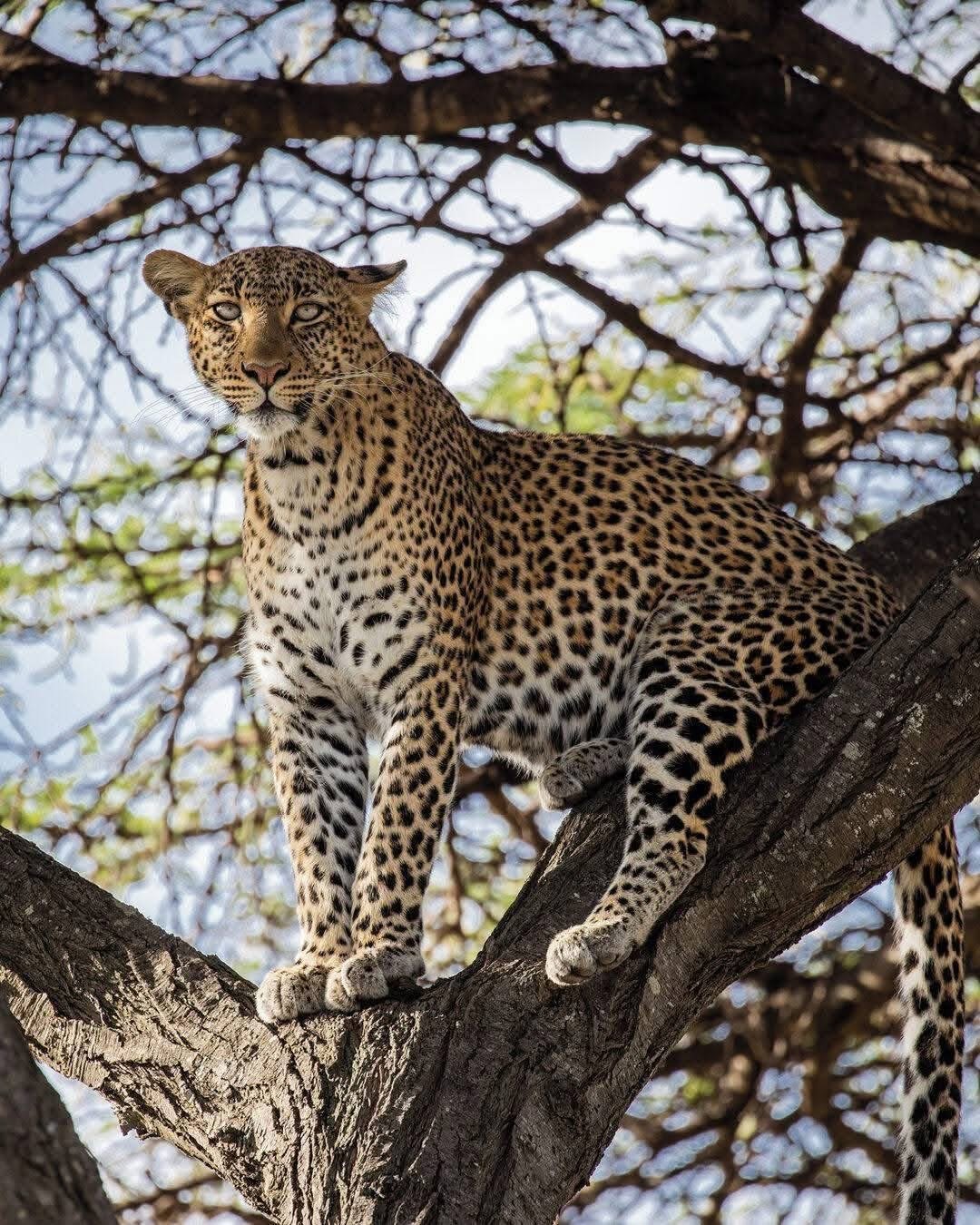
The best time to visit the Serengeti is late June to October, or late January to February. Those are the two windows I steer most guests toward, and they deliver very different safaris. Late June to October is the dry season: the Mara River crossings in the north, sparse vegetation that makes wildlife easy to find, and the most reliable weather of the year. Late January to February is calving season on the southern plains around Ndutu, which is the densest predator activity of the Serengeti calendar, with noticeably fewer vehicles around you and lower rates.
Everything after that depends on what you actually came to see. The dry season is the answer if the crossings are the reason you are coming, and you accept peak pricing and peak crowds to get them. Calving season is the answer if you care more about predator behaviour than about the famous river scenes. And if neither is a priority, June and October give you most of the dry season quality without the worst of the August compression. That is the honest short version, and the rest of this guide is the detail behind it.
In over four years of designing private safaris from Arusha, I have never once had a guest come back and tell me it was not worth it. That does not happen here. There is no bad month in the Serengeti. But the character of the trip shifts, sometimes sharply, depending on when you go, and that is a choice worth making deliberately rather than by whichever dates your leave allows.
When Is the Best Time to Visit the Serengeti?
It depends on which of five things matters most to you: the migration crossings, the calving, the crowd levels, the pricing, or the weather. Those five do not peak in the same months, and no single window wins all five. The Great Migration moves through different regions across the year, the rains reshape the driving conditions, predator behaviour tracks prey availability, and rates at the best camps swing hard between peak and shoulder. This table is how I frame the decision with guests on a first call.
| What Matters Most to You | Best Months to Visit |
|---|---|
| Great Migration river crossings | Late June to October, peaking July and August |
| Calving season and predator action | Late January to February |
| Fewest vehicles and strongest value | April to May |
| Best overall big cat viewing | June to October, and February |
| Balance of wildlife, weather, and rates | June and October |
| Combining the Serengeti with Zanzibar | June to October, or February |
| Green landscapes and photography | November to March |
| Driest, most predictable conditions | June to October |
The Best Time for a Serengeti Safari, Month by Month
Every month in the Serengeti gives you something, and every month costs you something. Below is what each one actually looks like on the ground: where the herds are, what the crowds and rates are doing, and which kind of traveller I would send in that window.
Visiting the Serengeti in January: The Herds Settle on the Southern Plains
January suits travellers who want the calving build-up without February's density, at slightly softer rates. It is the month when the migration mega-herds finish drifting south after the short rains and spread across the short grass plains around Ndutu and the southern Serengeti. The grass is green and nutritious, the wildebeest have come for the calcium-rich volcanic soil, and by mid to late January the first calves start dropping. Weather is warm, with clear mornings, hot afternoons in the high twenties Celsius, and the occasional brief afternoon shower. Nights are mild.
Crowds are moderate. January is high season for the southern Serengeti but it is not yet the absolute peak. The southern mobile camps, including Ubuntu Migration Camp, Serengeti Safari Camp, and Sanctuary Kichakani, are already in position around Ndutu. Rates sit in the upper bracket but still below the July to October peak in the north. January suits photographers who want green landscapes with predators in the open, families with older children who can handle long game drives, and anyone who wants the calving build-up without the absolute density of February.
Visiting the Serengeti in February: Peak Calving Season on the Ndutu Plains
February is the most concentrated wildlife month of the entire Serengeti year, and the single best month for predator viewing. Calving runs across a two to three week window that usually peaks in early February, with around 8,000 calves born every single day on the short grass plains around Ndutu. The volume of newborns is what drives everything else. Cheetah, lion, hyena, and jackal are at their most active, and because the plains are open and the calves are slow, kills happen in plain view. This is the time of year I send guests who care more about predator behaviour than they do about anything else.

Weather stays warm and largely dry, with the short rains finished and the long rains not yet arrived. The southern mobile camps are at peak occupancy, as are permanent properties like Lake Masek Tented Camp and Sanctuary Kusini. I recommend booking February at least six months ahead. February suits wildlife photographers, repeat safari guests who already have a Big Five tick list, and anyone who prefers raw predator-prey action over the famous river crossings of August.
Visiting the Serengeti in March: Peak-Quality Wildlife at Shoulder Rates
March is the value month most people overlook, because the wildlife is still excellent while the pricing has already started to fall. By March the calving has wound down and the wildebeest, joined by hundreds of thousands of new calves, start drifting northwest off the Ndutu plains toward the central Serengeti and the Western Corridor. The grass is still green, the plains are still full of wildlife, and the predator action remains strong but more spread out. Late March brings the first reliable rains of the long wet season, with afternoon thunderstorms becoming more frequent. The light, especially around storms, is the best of the year for photography.
Pricing softens noticeably in the second half of March as you cross into shoulder season. Many high-end camps drop their nightly rates by 15 to 25 percent. A full breakdown of safari costs by season is here. March sits in a useful sweet spot for guests who want peak-quality wildlife at slightly softer pricing. It suits travellers who can move outside school holidays, photographers who love dramatic skies, and value-aware first-timers who want the green season without the wettest weeks of April.
Is April a Good Time to Visit the Serengeti?
Yes, if you want green landscapes and near-empty plains and you do not mind getting wet. April is the wettest month of the Serengeti year. The long rains are in full swing, with afternoon thunderstorms most days and the occasional all-day soak. Some secondary tracks become difficult, and a handful of camps in the more remote areas close entirely for maintenance from late March through May. This is the month most travel agents will tell you to avoid.
I disagree. April is one of my favourite months in the Serengeti. The landscape is at its most theatrical, with dark skies, golden afternoon light, and vivid green grass to the horizon. The resident wildlife stays put. Lion prides, leopards, elephant herds, giraffe, and buffalo remain across the central Serengeti regardless of the migration. The camps that stay open offer their best rates of the year, often 30 to 40 percent below July pricing. My full case for the green season is here. April suits flexible travellers who do not mind getting wet, photographers, and anyone who values solitude over guaranteed sun.
Is May a Good Time to Visit the Serengeti?
Yes, and quietly it is the month I would pick if solitude mattered more to me than sunshine. May is the second half of the long rains and, in my view, the most underrated month of the entire Serengeti calendar. The rains begin to ease through the month, with thunderstorms becoming shorter and less frequent. The plains are still green, the air is washed clean, and you can drive for hours without seeing another vehicle. The migration herds are by this point spread across the Western Corridor and central Serengeti, often building toward the first Grumeti crossings in early June.
Pricing remains at its lowest through May, and the camps that closed for April begin to reopen in the second half of the month. What you give up is certainty on the weather. What you gain is a Serengeti that feels genuinely yours, and rates that let you stay at a better camp for the same investment, or stay longer at the same one. May suits honeymoon couples who want privacy, photographers, and guests who can absorb some rain in exchange for solitude. Pair it with Ngorongoro, which holds its game viewing regardless of season, and the trip stands up even in a wet week.
Visiting the Serengeti in June: The Dry Season Returns and the First Crossings Begin
June is the month I recommend most often to guests who want dry season conditions without full peak pricing. It is the transition month. The long rains end, usually by the first week, and the Serengeti dries out fast. Roads firm up, the air becomes cooler and clearer, and the migration herds are typically massing in the Western Corridor, moving toward the Grumeti River. The first river crossings of the year happen here in late June. Grumeti crossings are smaller and less famous than the Mara crossings of August, but they are genuinely thrilling. Crocodiles wait. The herds mill, hesitate, and then go.
June marks the start of the peak-season ramp-up. Rates rise across the month, and the best camps in the Western Corridor, including Singita Faru Faru, Singita Sasakwa, and Kirawira Serena, begin to fill. By the last week of June, availability tightens significantly. June suits guests who want peak-season conditions, the first crossings of the year, and pricing that has not yet reached the July and August ceiling. If your dates are flexible by a fortnight, moving from early July back into the third week of June is one of the few genuinely free savings in the Serengeti calendar.
Visiting the Serengeti in July: First Mara River Crossings Begin
July is when the Serengeti becomes the park most people picture, and it prices accordingly. The migration herds push north into the Lamai Wedge and the Northern Serengeti, and the first major crossings of the Mara River begin. These are the crossings most people have seen on a documentary at some point. Tens of thousands of wildebeest plunge into crocodile-filled water, scramble up steep banks, and many do not make it. The action is unpredictable. A herd can stand on the bank for hours and turn back, or cross at dawn before any vehicle arrives.
July is full peak season. The best camps in the Northern Serengeti, including Sayari Camp, Lamai Serengeti, Nomad Serengeti Safari Camp, and Singita Mara River Tented Camp, book out six to twelve months ahead. Rates are at their highest. Weather is dry, cool in the early morning, warm by midday, and almost never wet. July suits first-time safari guests who want the iconic Serengeti experience, families travelling on summer school holidays, and anyone whose primary motivation for visiting Africa is the migration crossings.
Visiting the Serengeti in August: Peak Migration Crossings, Peak Crowds
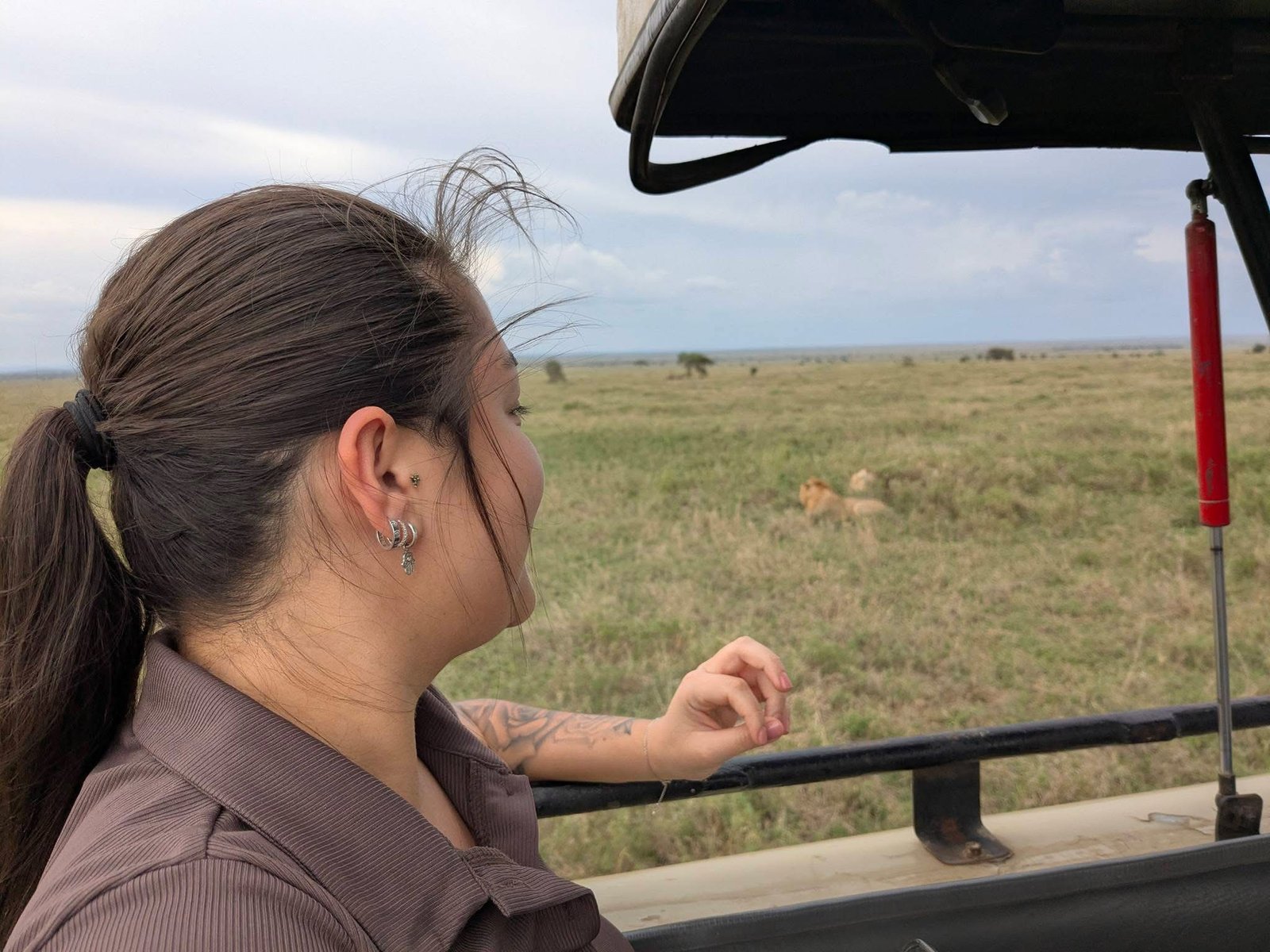
August is the single most active crossing month of the year, and the most crowded and most expensive month to be here. That trade is the whole story of August. The Mara River is the central drama. Herds cross and recross, often multiple times in a single week, as they search for fresh grass on both sides of the river. If you have a week in the Northern Serengeti in August, your chances of witnessing at least one full crossing are very high. Weather is reliably dry and cool, with daytime temperatures in the low twenties and clear blue skies.
Crowds are at their absolute peak. Some crossing points can attract a dozen vehicles or more, which is why the camp you choose and the section of the river you cover matter more in August than in any other month. This is also the month where the difference between a private vehicle and a shared group departure shows up most sharply, because a private guide can leave a congested crossing point and reposition, and a group vehicle on a fixed schedule cannot. Rates are at their highest, and the best camps are often booked a full year ahead. August suits guests for whom the crossings are non-negotiable, photographers who can absorb the premium, and travellers willing to invest in a Northern Serengeti camp positioned away from the busiest crossing points. If your itinerary has room for one premium morning in this window, a hot-air balloon safari over the migration plains is the addition I most consistently recommend.
If you already have dates in mind or want to know what this costs for your specific trip, send your details on WhatsApp and I will respond with a personalised answer within a few hours.
Visiting the Serengeti in September: Crossings Continue, Crowds Soften Slightly
September is, in many ways, the smartest month of the year for the crossings, because it keeps most of August's action and sheds some of its pressure. The herds are still in the Northern Serengeti, the crossings still happen regularly, but the early-September window sees a slight dip in crowd density as the European summer school holidays end. By late September the herds begin to drift back south, often crossing the Mara in the opposite direction. Weather remains dry, cool, and clear.
Rates are still high but September is when I send guests who want the migration experience without the absolute compression of August. The Northern Serengeti camps remain busy and require advance booking, but secondary crossings and quieter sections of the Mara are easier to access. September suits travellers who can avoid school holidays, photographers, and guests who want peak wildlife with marginally better conditions on the ground than August. The longer you stay, the better your chances of witnessing a full crossing.
Is October a Good Time to Visit the Serengeti?
Yes, and October is arguably the best value-for-experience month of the entire Serengeti year. It is the tail end of the crossing season. The herds drift south through the central Serengeti, with the last crossings happening in the first half of the month. The Northern Serengeti remains excellent through mid-October and then quietens as the migration moves on. The central Serengeti, around Seronera and the Moru kopjes, becomes the strongest region for the second half of the month, with resident wildlife reliably excellent year round.
Weather stays dry through most of October, with the short rains beginning to threaten by the final week. Pricing eases noticeably from mid-October as you cross from peak into shoulder. October suits travellers who want a chance at crossings without committing to peak August dates, guests who care more about wildlife concentration than the migration specifically, and anyone trying to balance experience against investment level. If you have flexibility on your dates and you are weighing August against October, I will usually make the case for October.
Visiting the Serengeti in November: Short Rains Arrive and the Herds Drift South
November suits guests who want strong resident wildlife and low crowds, and who are not travelling specifically for the migration. It is the short rains month, though the rains are nothing like April. Afternoon showers, often brief, refresh the landscape and trigger the next wave of migration movement. The herds begin their long southward march from the central Serengeti back toward the Ndutu plains. November can feel like a transition month with the herds spread across central regions, but the resident wildlife is excellent and crowd levels are noticeably lower than the July to October peak.
Pricing sits in shoulder territory for most of November, with some camps offering meaningful reductions before the December holiday surge. November is also the month where combining the Serengeti with Tarangire and Ngorongoro pays off most, because the northern circuit parks hold their game viewing while the Serengeti herds are strung out in transit. November suits guests who want quality wildlife without the competition of the peak months, value-aware travellers, and anyone who likes the dramatic late-afternoon light of the short rains.
Visiting the Serengeti in December: The Herds Arrive at Ndutu
December splits into two very different months, and which half you book changes the trip completely. The migration arrives back on the southern plains around Ndutu. Calving has not yet started, but the herds are massing and the predators are following. The first half of December is one of the quieter, more value-driven windows of the year. The second half, from around the 20th of December through the first week of January, is peak holiday season. Rates spike, camps book out, and the experience shifts from quiet plains to busier game drives.
Weather in December is warm, mostly dry, with brief afternoon showers possible. The landscape is green and the photography is strong. December suits families wanting a holiday safari (book at least nine months ahead for Christmas and New Year), travellers who can move in the quieter first half of the month, and guests who want to watch the herds arrive south before calving starts in earnest.
Dry Season or Green Season: Which Is the Best Season for a Serengeti Safari?
The dry season is the safer choice and the green season is the better value, and most guests are happier once they know which of those two they are actually optimising for. The Serengeti runs on two broad seasons rather than four, and almost every timing question comes down to picking between them.
The Dry Season: June to October
The dry season is the best time for a Serengeti safari if you want reliability above everything else. The rains have ended, the grass is short and yellow, and the vegetation thins out, which means wildlife is simply easier to see. Animals concentrate around permanent water, so predators and prey are in predictable places. Roads are firm, so you can reach the remote corners of the park without losing a morning to a bogged track. And the Mara River crossings happen inside this window, which is why it carries the highest demand of the year.
What you pay for that reliability is real. Rates at the best camps peak from July through September, availability tightens six to twelve months ahead, and the well-known crossing points get busy. Season is the single biggest lever on what a Serengeti trip costs, and it is worth understanding the real costs of a Tanzania safari and where peak-season surcharges land before you fix your dates, because moving your trip by three weeks can change the total more than changing your camp does.
The Green Season: November to May
The green season is the best time to visit the Serengeti if you want the park to yourself and you are willing to trade some certainty on the weather for it. The plains turn green, the light around afternoon storms is the strongest of the year for photography, and the resident wildlife does not go anywhere. Lion prides, leopards, elephant herds, giraffe, and buffalo stay across the central Serengeti regardless of where the migration is. Calving season sits inside this window, which is why the green season also holds the year's best predator viewing.
The rains almost never affect safety. Most lodges and main tracks stay accessible right through the long rains, and the trade-offs are practical rather than dangerous: some secondary tracks get difficult, some remote camps close for maintenance, and a morning drive can be cut short by a thunderstorm. With a capable guide and a four-wheel-drive vehicle, this is a rewarding time to be here. Rates in April and May run well below peak, which is the strongest value in the calendar.
What Is the Best Time to Visit the Serengeti and Zanzibar Together?
June to October is the best window for combining the Serengeti with Zanzibar, because the mainland and the coast are dry at the same time. You get the crossings and dry season game viewing inland, then warm temperatures, low humidity, and calm seas for the beach half of the trip. January and February are the strong second choice: calving in the southern Serengeti, reliable coastal weather, and rates below the June to October peak. I would avoid April for this pairing, as that is the wettest stretch in both places, and May is transitional and can go either way on the coast.
The sequencing matters as much as the season. Safari first, beach second, always. Coming off six-o'clock starts and long game drives into a few slow days on the coast is the right order, and it is why almost every itinerary I build in this shape ends in Zanzibar rather than beginning there. If you are travelling as a couple, my Tanzania and Zanzibar honeymoon guide covers the itinerary and investment level in full. If you are simply adding a few beach days to the end of a safari, the guide to adding Zanzibar after your safari walks through how many nights to allow and which part of the coast suits which traveller.
A Quick Note on Serengeti Weather
The Serengeti sits at altitude, so it is far milder than most people expect from equatorial Africa. Daytime temperatures run from the low twenties Celsius in the cool dry months to the high twenties on the southern plains in January and February. Mornings are genuinely cold on a dry season game drive, and early starts in July and August want a fleece and a windproof layer, which surprises guests who packed only for heat.
Rainfall matters more than temperature when you are choosing dates. The long rains run from late March through May and are heaviest in April. The short rains arrive in November and are usually brief afternoon showers rather than washed-out days. June through October is dry and predictable. That is genuinely all the weather detail most trips need, and I would not let a temperature chart drive a decision that should be made on where the herds are and how many vehicles you want beside you.
How to Choose Your Serengeti Safari Dates
If you want the river crossings, book late June to October in the Northern Serengeti, and book six to twelve months ahead. If you want predator action and newborn wildebeest, late January through February on the southern plains is hard to beat. If you want solitude and the strongest value, April and May deliver that. If you want the best balance of weather, wildlife, and pricing, June and late October are the two windows I would point you toward.
Then give the season enough time to work. Three full days in the Serengeti is the minimum, four or five is better, and that is what lets you cover two distinct regions rather than one. For a crossing trip, three nights in the Northern Serengeti is the working minimum, because crossings are unpredictable and a single night is a coin toss. For a full northern circuit that adds Ngorongoro and Tarangire alongside the Serengeti, plan on seven days as a starting point. Timing and duration are the same decision: the right month with too few nights will still disappoint you.
If you are still not sure, the most useful thing you can do is tell me your travel dates and what matters most to you. I design private safaris in the Serengeti year round, and I know exactly where to position you each month for the strongest possible result. That is the difference between a generic safari and one built around what you actually came here to see.
FAQ: Best Time to Visit the Serengeti
When is the best time to visit the Serengeti?
The best time to visit the Serengeti is late June to October for the Mara River crossings and dry season game viewing, or late January to February for the calving season on the southern plains. Those two windows suit different travellers. The dry season gives you reliable weather, sparse vegetation that makes wildlife easy to spot, and the river crossings, at peak pricing and peak crowds. Calving season gives you the highest concentration of predator activity of the year with noticeably fewer vehicles around you.
What is the best month for a Serengeti safari?
If I had to name one month, it would be February for predator action or August for the Mara River crossings. February delivers the calving peak on the Ndutu plains, where the density of newborn wildebeest pulls cheetah, lion, and hyena into the open. August is the most active crossing month in the Northern Serengeti. For the best balance of strong wildlife, workable weather, and softer pricing, June and October are the two months I most often point guests toward.
Is October a good time to visit the Serengeti?
Yes, October is one of the best value windows of the Serengeti year. The last Mara River crossings happen in the first half of the month, the weather stays dry, and pricing eases noticeably from mid-October as peak season ends. The herds fragment and drift south through the central Serengeti, so the Seronera area becomes the stronger region later in the month. October suits travellers who want a genuine chance at crossings without committing to August dates and August rates.
Is May a good time to visit the Serengeti?
Yes, and May is the most underrated month of the Serengeti calendar. The long rains taper through the month, the plains are green, and you can drive for hours without seeing another vehicle. Camp rates sit at their lowest of the year, and the camps that closed for April reopen in the second half of May. Bring waterproof layers and expect short afternoon thunderstorms rather than all-day rain.
When are the Mara River crossings in the Serengeti?
The herds begin reaching the Mara River in the Northern Serengeti from late June, and the major crossings typically peak in July and August, continuing through September into early October. Crossings are unpredictable. A herd can cross several times in one day, or not at all for three days. I recommend at least three nights in the Northern Serengeti in a camp positioned between Kogatende and Lamai, and my Great Migration month by month guide tracks the herd movements in full.
What is the best time to visit the Serengeti and Zanzibar together?
June to October is the best window for combining the Serengeti with Zanzibar, because the mainland and the coast are dry at the same time. You get the crossings and dry season game viewing inland, and warm, calm, low-humidity conditions for the beach half of the trip. January and February are the strong second choice, with calving in the southern Serengeti and reliable coastal weather at lower rates. I would avoid April for this pairing, as that is the wettest stretch in both places, and May is transitional and can go either way on the coast.
When is calving season in the Serengeti?
Calving season runs from late January through February on the short grass plains around Ndutu in the southern Serengeti, with around 8,000 calves born every day during a two to three week window that usually peaks in early February. The volume of newborns drives everything else. Cheetah, lion, hyena, and jackal are at their most active, and because the plains are flat and open and the calves are slow, kills happen in plain view. This is the strongest window of the year for predator and prey action.