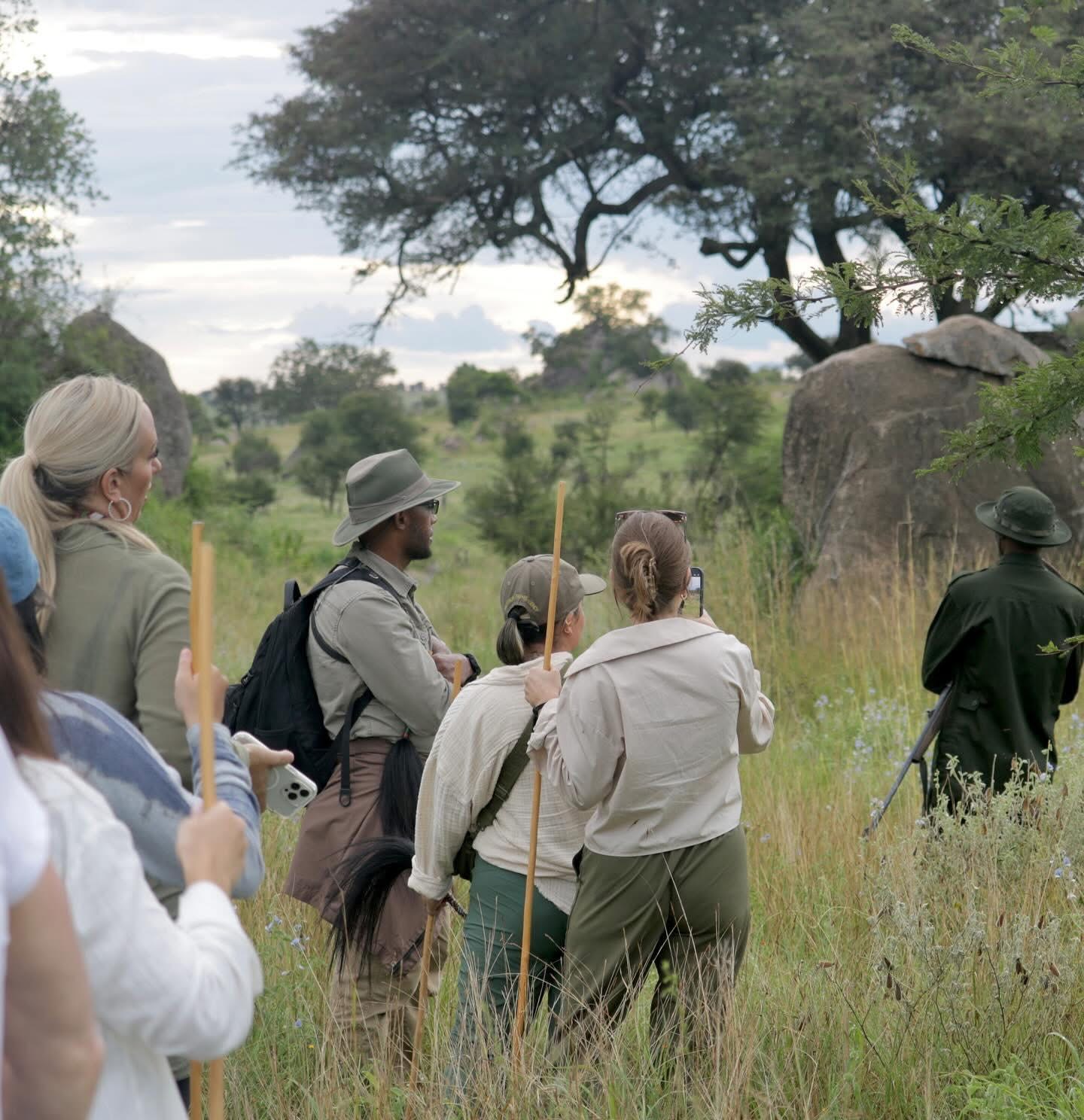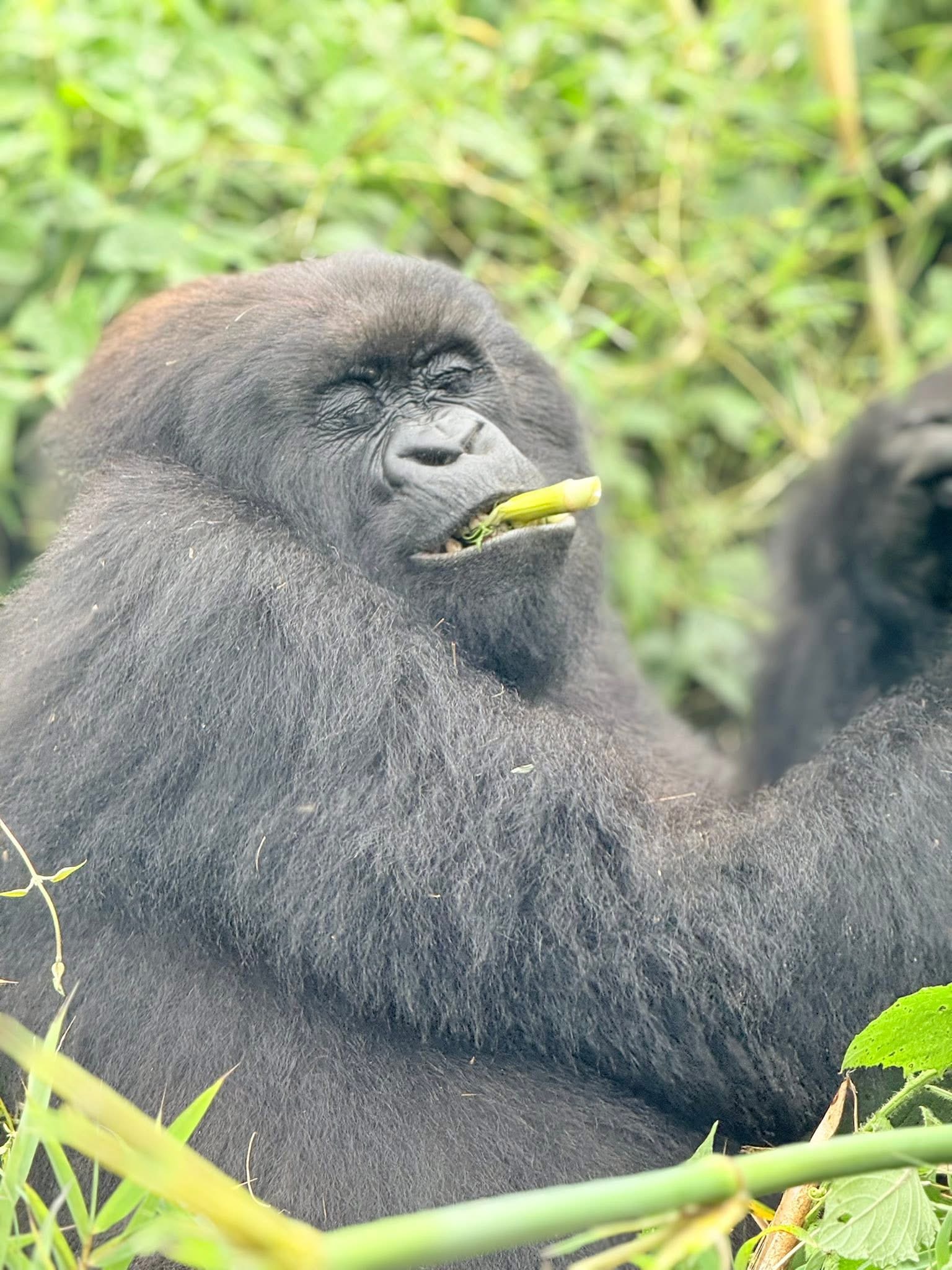
Rwanda or Uganda. I am asked this more than any other question about gorilla trekking, and most of the comparisons you will read online refuse to actually answer it. I will. I operate treks in both countries, I have walked into Volcanoes National Park in Rwanda and into Bwindi Impenetrable Forest in Uganda, and I have watched the same one hour with a silverback land completely differently depending on which country a client chose and what kind of traveller they are.
Here is the short version, before the detail. Choose Rwanda if your time is limited, the lodge standard matters to you as much as the trek, and you want the most seamless first journey into Africa. Choose Uganda if you have more days, you want a wilder and more physical forest experience, and you would rather put the permit saving toward a longer trip. The gorilla encounter itself is equally extraordinary in both. What changes is everything around that one hour.
Rwanda or Uganda for Gorilla Trekking: Which Is Better?
Neither is better in the abstract. These are two genuinely different experiences that happen to involve the same animal, and the right answer depends on you, not on which country ranks higher. Rwanda is the more polished, more compressed, and more expensive option. Uganda is the wilder, longer, and more affordable one. If I reduce my own operating view to a single line, it is this: Rwanda suits the time-poor, comfort-led traveller, and Uganda suits the traveller with more days and an appetite for the raw version. Everything below sets out exactly what sits behind that.
Is Gorilla Trekking Better in Uganda or Rwanda?
The encounter itself is not better in either country. In both, you are permitted one hour with a habituated family, in a group capped at eight people, standing within a few metres of wild mountain gorillas. That hour carries the same weight whichever side of the border you are on. What differs is everything surrounding it: how hard you work to reach the gorillas, how long you spend on the ground, what you sleep in at night, and what the rest of the trip looks like. Uganda gives you a rawer, more physical forest and a lower cost. Rwanda gives you shorter treks, the finest lodges in Africa, and a much shorter journey from the airport. Decide which of those matters more to you, and the country chooses itself.
Rwanda vs Uganda Permit Cost: What the Higher Rwanda Permit Buys You
The permit is where every gorilla conversation starts, and it is the clearest single difference between the two countries. Rwanda charges USD 1,500 per person for a permit in Volcanoes National Park. Uganda charges USD 800 per person for a permit in Bwindi Impenetrable Forest. For a couple, that is USD 1,400 less in Uganda before a single night of accommodation is counted. I break both down in full in my Rwanda gorilla trekking cost guide and my Uganda gorilla trekking cost guide.
Treat that gap as a decision input, not a price tag. The permit is paid directly to the national park authority and no operator can discount it, so the real question is what the extra USD 700 per person in Rwanda actually buys. It does not buy a better gorilla encounter. What it buys is scarcity and the ecosystem built around it: fewer permits issued per family, an ultra-luxury lodge circuit at the park gate, a shorter and gentler trek, and a two and a half hour drive from an international airport rather than a long transfer or a charter flight. Rwanda set its permit at USD 1,500 deliberately, as a conservation and premium positioning strategy. You are paying for the setting and the convenience, not for the animal. A gorilla looking directly at you from three feet away carries the same weight on either side of the border.
Two further figures are worth knowing before you decide. Rwanda offers a reduced permit of USD 1,050 per person in low season, from November to May, but only if you combine the trek with visits to other Rwandan national parks, so it is not an unconditional discount. Uganda's permit drops to USD 600 in its own low season, and Uganda also runs a habituation experience in Bwindi at USD 1,800 per person, effective from 1 July 2026, which gives you up to four hours with a family still being habituated rather than the standard one hour. For a certain kind of traveller, those four hours are the best value on either side of the border.
Rwanda: What the Experience Actually Delivers
Volcanoes National Park sits in Rwanda's northwest corner at the foot of the Virunga Massif, a chain of extinct volcanoes rising to over 4,500 metres. The park is compact and well managed. Trekking routes are clearly defined and maintained. Most treks take between two and five hours depending on where the gorilla family has settled overnight. The terrain is volcanic, steep in places, and at altitude, so some guests notice the thin air more than they expect. I always recommend arriving in Rwanda at least one evening before your trek day, not the morning of.
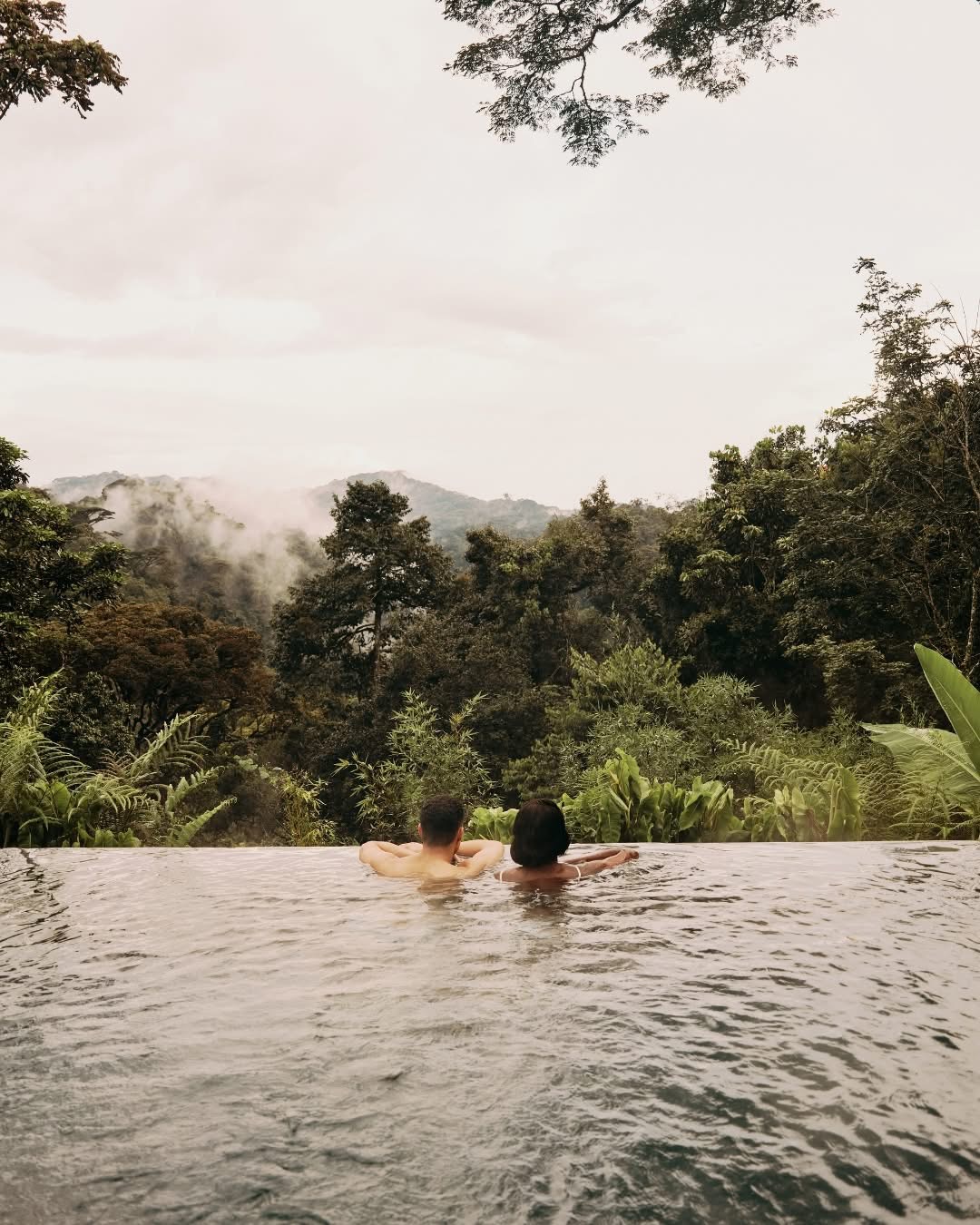
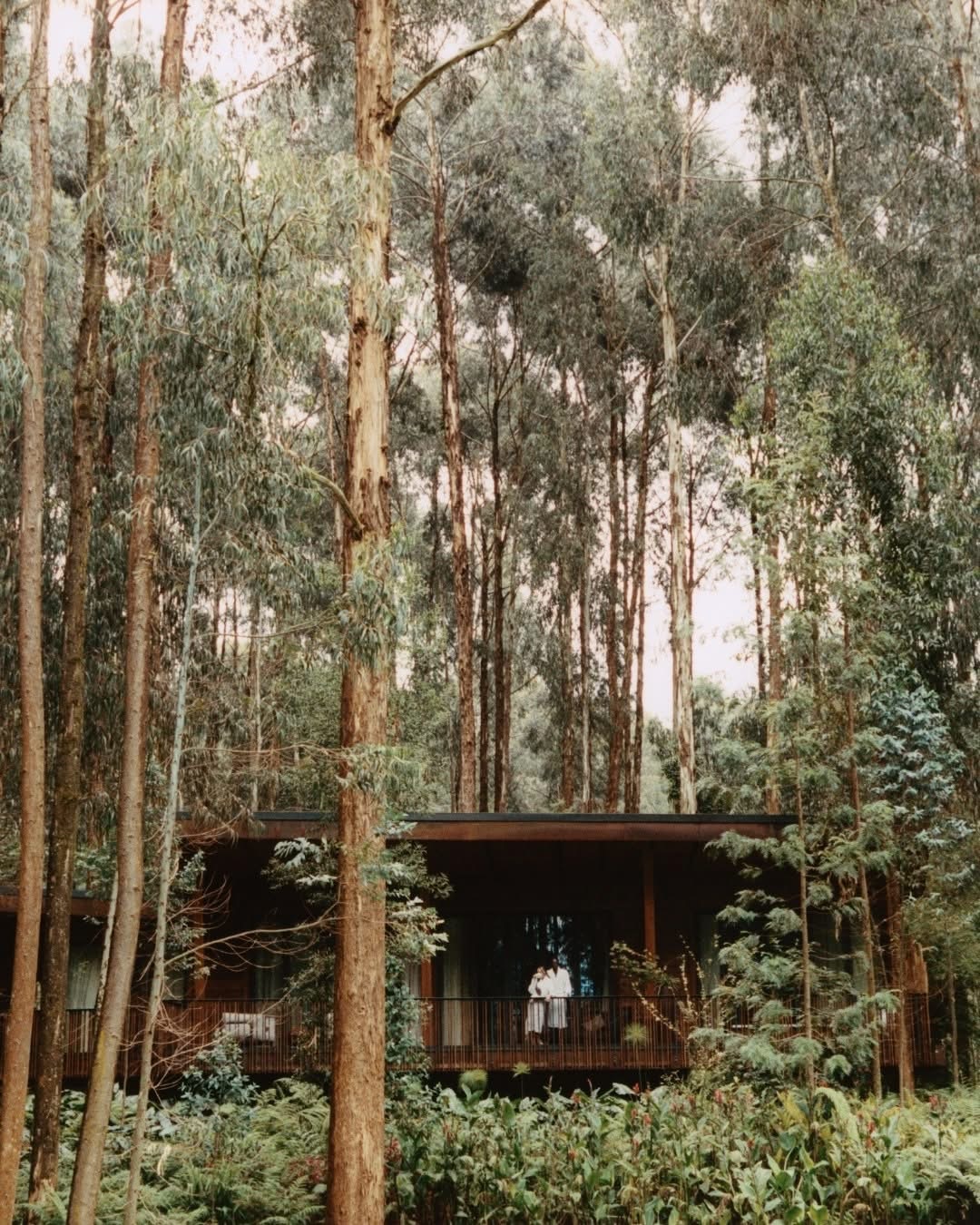
The lodge environment in Rwanda is what separates it from any other gorilla destination on earth. The properties surrounding Volcanoes National Park represent some of the finest accommodation in Africa. Freestanding forest villas with private decks and plunge pools. Interiors that draw on Rwandan craft and texture without ever feeling themed or contrived. Dining that could compete in any serious city. You return from the forest, still carrying the adrenaline and the silence of the encounter, and step directly into a level of comfort that feels almost surreal by contrast. Rwanda orchestrates that contrast deliberately, and it works.
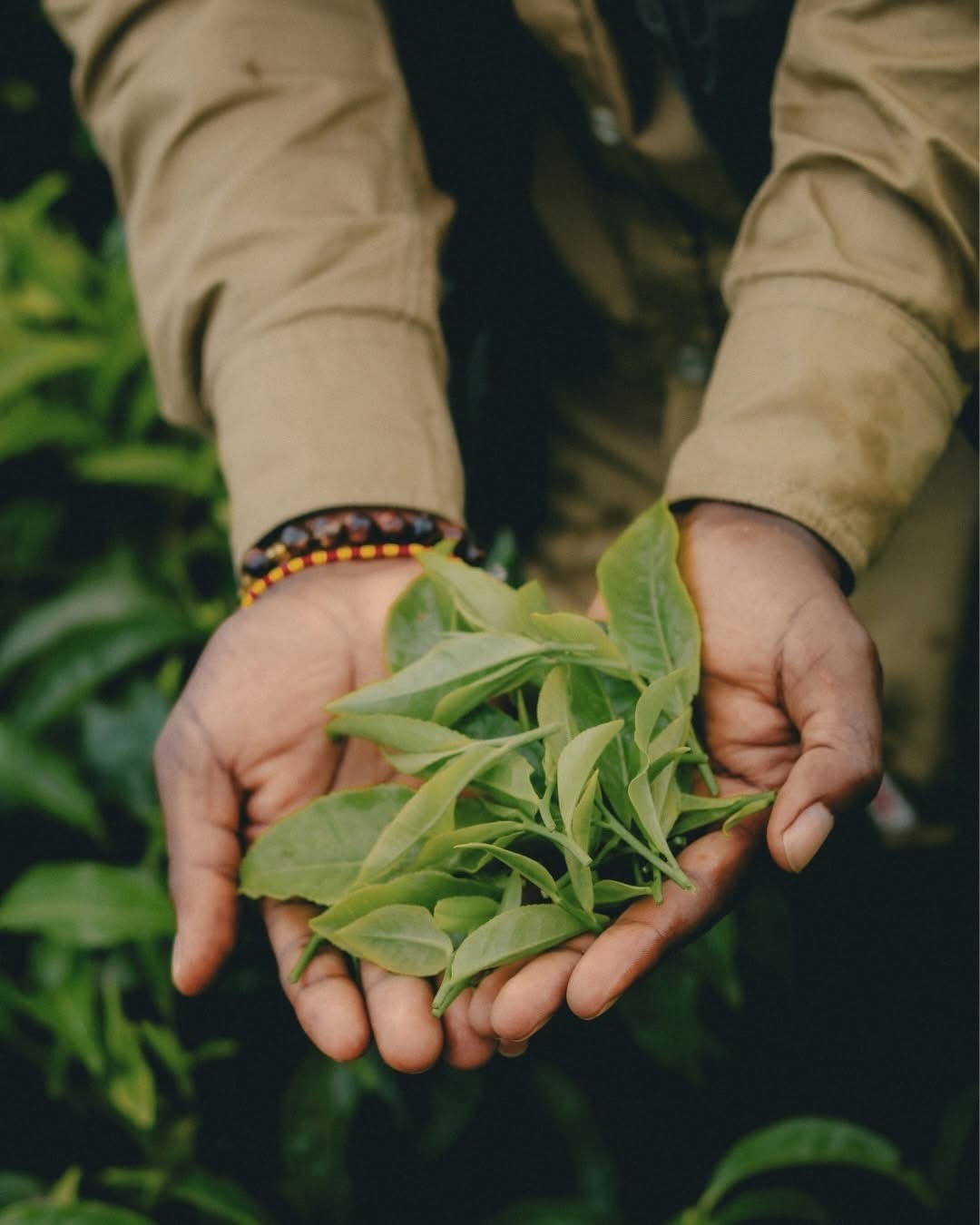
Rwanda also offers more than the gorilla trek itself. Nyungwe Forest National Park is one of the most biodiverse highland rainforests in Africa and holds the largest chimpanzee population in East Africa. Guests can combine gorilla trekking in the north with chimpanzee tracking in Nyungwe, a canopy walk 70 metres above the forest floor, and tea estate experiences on the rolling hills between the two parks. Kigali is also genuinely worth a day. It is one of the cleanest, most organised capitals in Africa and gives guests a fuller picture of modern Rwanda that most visitors do not expect.
Rwanda sells a complete experience. The gorilla trek is the centrepiece, but the country around it is part of the proposition. Clients who understand that leave more satisfied than those who come only for the one hour and treat the rest as logistics.
Uganda: What the Experience Actually Delivers
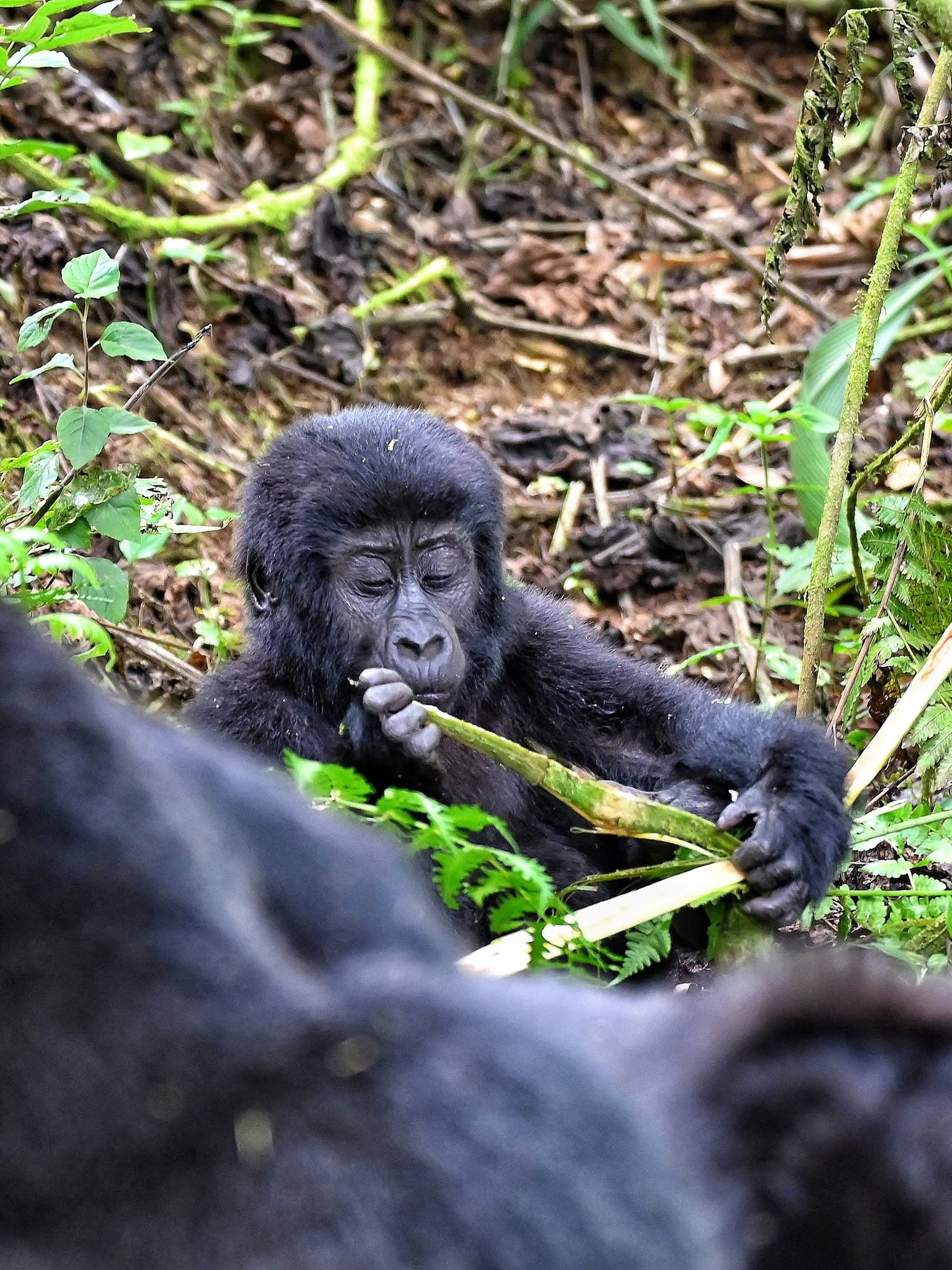
Bwindi Impenetrable Forest in southwestern Uganda is different in almost every way that matters. The name is not dramatic license. The forest is ancient, dense, and genuinely impenetrable in places. It covers 321 square kilometres of montane and lowland rainforest and holds more habituated gorilla families than any other single location on earth. Uganda is also home to roughly half of the world's remaining mountain gorilla population, shared with Rwanda and the Democratic Republic of Congo across the Virunga ecosystem.
Trekking in Bwindi is more demanding than Rwanda. Trails are steeper. The terrain is less predictable. Treks regularly run four to six hours and can extend further depending on where the family has moved. I tell clients honestly that Bwindi requires a stronger physical baseline than Volcanoes, and I strongly recommend hiring a local porter for almost every guest regardless of fitness level. A porter costs very little, directly supports the adjacent communities whose cooperation is essential to gorilla conservation, and frees you to experience the trek rather than manage the terrain. It is always the right decision.
What Uganda offers that Rwanda does not is a rawer, more unmediated encounter with the forest itself. The lodges around Bwindi are warm, personal, and embedded in the community. They do not attempt to replicate the ultra-luxury positioning of Rwanda's properties. What they deliver instead is character, genuine warmth from local staff, and an atmosphere that feels more like you have been invited into something real rather than curated. Many experienced safari travellers actively prefer this. After multiple trips to East Africa's flagship luxury destinations, Bwindi feels like something different.
Uganda also combines naturally with other destinations. Chimpanzee trekking in Kibale Forest is one of the most extraordinary primate experiences in Africa and sits within a manageable drive from Bwindi. Queen Elizabeth National Park adds classic savannah game viewing to what is otherwise a forest-heavy itinerary. And Uganda's position makes it easy to combine with Kenya, Rwanda, or Tanzania on a longer circuit.
Rwanda vs Uganda Gorilla Trekking: Side by Side
| Factor | Rwanda | Uganda |
|---|---|---|
| National Park | Volcanoes National Park | Bwindi Impenetrable Forest |
| Permit Cost | USD 1,500 per person | USD 800 per person |
| Trek Duration | Typically 2 to 5 hours | Typically 3 to 8 hours |
| Terrain | Volcanic, altitude, managed trails | Dense rainforest, steep, demanding |
| Altitude | 2,500 to 4,500 metres | 1,160 to 2,600 metres |
| Lodge Standard | Ultra-luxury | Mid-tier to luxury |
| Porter Available | Yes | Yes, strongly recommended |
| Group Size on Trek | Maximum 8 people | Maximum 8 people |
| Nearest Airport | Kigali, 2.5 hours to park | Entebbe, 5 to 6 hours or 1 hour charter |
| Combines Well With | Kigali, Nyungwe, Tanzania safari | Kibale chimps, Queen Elizabeth NP, Kenya |
| Gorilla Encounter | Extraordinary | Extraordinary |
Getting There, Trek Difficulty, and Time on the Ground
Access is often the quiet deciding factor. Rwanda is the easier arrival by a wide margin. Kigali International Airport is a clean two and a half hour drive from Volcanoes National Park, so you can land in the evening and be with the gorillas the next morning. Uganda asks more of you. Bwindi is a five to six hour drive from Entebbe, or a light aircraft charter of roughly one hour, which adds cost and a little more planning. If your total trip is short, that difference alone can settle the decision.
Trek difficulty follows the same pattern. Rwanda's treks run two to five hours over volcanic terrain at altitude, between 2,500 and 4,500 metres, so the thin air is the main challenge rather than the distance. Bwindi sits lower, between 1,160 and 2,600 metres, but the forest is steeper, denser, and less predictable, and treks regularly run three to eight hours. Rwanda suits guests who want a manageable morning and a soft landing afterward. Uganda suits guests who are fit, want more time in the forest, and do not mind earning the encounter. Whichever you choose, plan to spend at least two nights near the park so a single long trek day is not sitting on top of travel fatigue.
What This Actually Costs
The figures below are approximate ranges based on our 4-day, 3-night gorilla trekking packages. They include gorilla permits, accommodation, all meals, airport transfers, and professional guiding throughout. International flights from your home country are not included and should be factored separately.
Rwanda's pricing reflects ultra-luxury lodge accommodation. Uganda's wider range reflects the spectrum from excellent mid-tier properties to full luxury forest camps. Your final cost within any range depends on lodge selection, group size, and internal transfer method.
Low Season: From approximately $19,000 · Shoulder Season: From approximately $23,000 · High and Festive: From approximately $32,000+
Low Season: From approximately $2,800 pp · Shoulder Season: From approximately $3,500 pp · High and Festive: From approximately $4,800 pp
If you already have dates in mind or want to know what this costs for your specific trip, send your details on WhatsApp and I will respond with a personalised answer within a few hours.
Rwanda's gorilla permits are strictly allocated per habituated family per day. During high season they sell out three to six months in advance. Uganda has more flexibility due to the higher number of habituated families at Bwindi, but peak dates still fill quickly. If you have fixed travel dates, securing permits before finalising flights is always the right sequence.
Who Should Choose Rwanda, and Who Should Choose Uganda
Rwanda is the right choice if:
You are celebrating something significant, a milestone birthday, an anniversary, a honeymoon, and the accommodation standard matters as much as the experience itself. Or you are a first-time Africa traveller who wants a managed, seamless journey without the physical demands of Bwindi. Or you have limited time. Kigali airport is just two and a half hours from the park, which means you can be in the forest the morning after you land. Rwanda also suits clients who want to combine gorillas with a Tanzania safari, since Kigali connects easily to Arusha and Kilimanjaro.
Uganda is the right choice if:
You are an experienced safari traveller looking for something rawer and more unmediated than East Africa's flagship luxury destinations. Or you are travelling solo and want a per-person price structure that reflects the experience without the ultra-premium lodge premium. Or you want to combine gorilla trekking with chimpanzee tracking in Kibale or game drives in Queen Elizabeth National Park on a single circuit. Uganda suits people who have already done the polished East Africa circuit and want something that feels less curated.
Should You Do Both Rwanda and Uganda in One Trip?
If you have the time and the inclination, yes, and it is one of the best itineraries we design. You spend three to four nights on each side of the border, crossing by road or a short charter flight, and you come away with two gorilla encounters that feel genuinely different from one another. That contrast is the whole point. If this is the direction you are leaning, my gorilla trek safari itinerary shows how a combined trip is put together, and I can shape it around your dates and pace.
Things I Have Learned from the Field
There are things you know after doing this for years that do not appear on any destination website. A few of them are worth sharing.
On altitude in Rwanda: guests who arrive the morning of their trek day sometimes struggle more than they expected. The combination of overnight travel fatigue and the altitude of Volcanoes National Park can make what should be a manageable trek feel harder than it needs to. I always recommend arriving in Kigali the night before and resting. One extra night is cheaper than the regret of not performing at your best on the day that matters.
On porters in Uganda: I have already said it, but I want to say it again because I have seen clients decide against hiring one and wish they had not. A porter in Bwindi costs the equivalent of a modest dinner. They carry your pack through dense, steep forest for four to eight hours. They also provide a direct, tangible contribution to the communities whose relationship with the park determines the gorillas' future. There is no argument against hiring one.
On weather in both countries: these are tropical montane forests. It rains. The dry seasons reduce the probability of heavy rainfall during your trek but they do not eliminate it. Both parks provide waterproof gaiters at the trailhead. Use them regardless of what the sky looks like at dawn. Conditions change quickly in the mountains and the forest floor stays wet long after the rain stops.
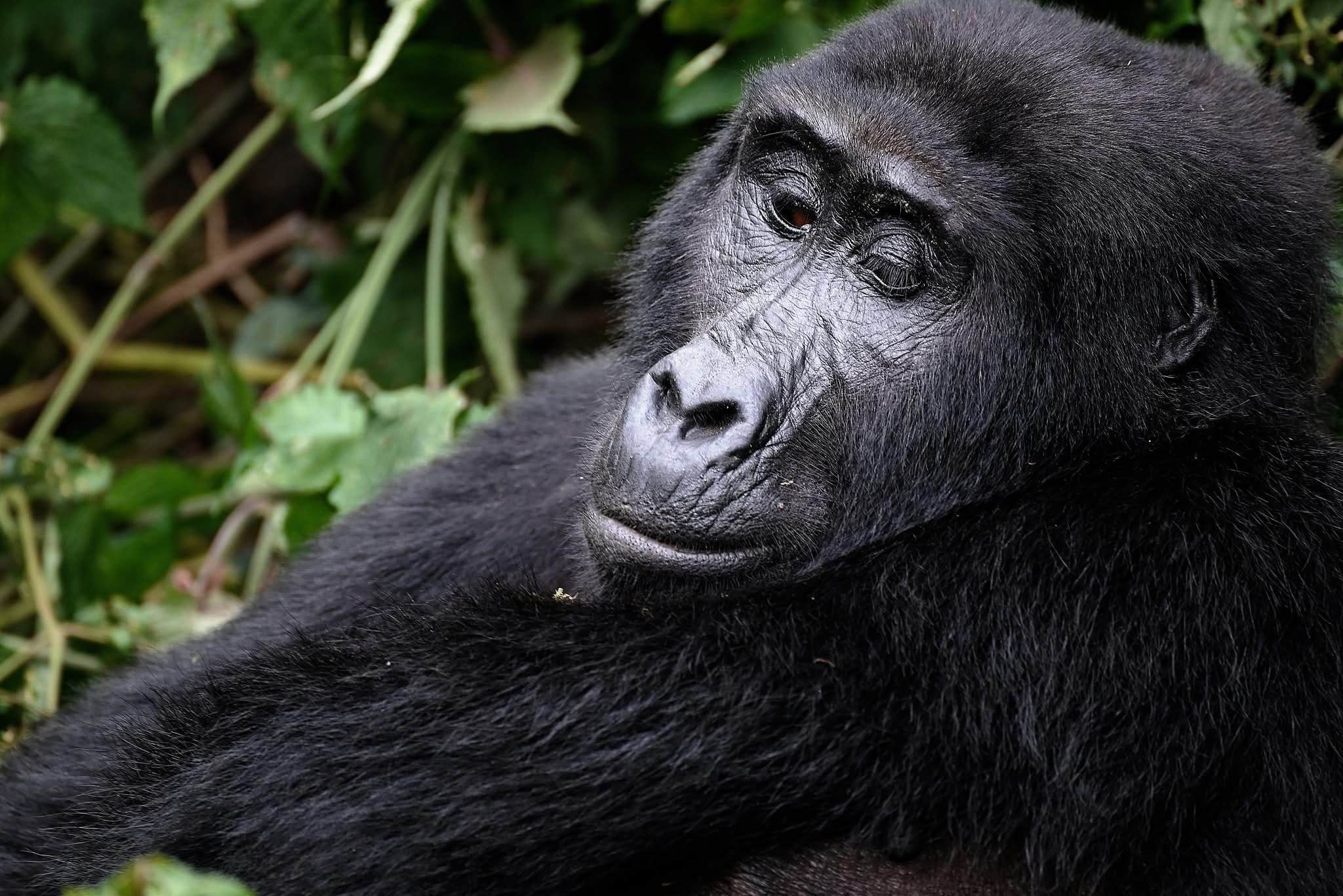
On the encounter itself: I tell every client the same thing before their trek day. The hour goes faster than you think. You will spend the first few minutes adjusting to what you are actually seeing, because no photograph or documentary has genuinely prepared you for the scale and proximity of a silverback. Put the camera down at least once. There is something about being present in that moment, not behind a lens, that changes what you take home from it.
I have watched the gorilla encounter land differently on different people. Scientists, executives, people who describe themselves as unsentimental. Almost all of them go quiet. Some cry. I have never seen anyone come back to the vehicle and immediately start talking about something else.
Frequently Asked Questions
Neither is better in the abstract. Rwanda is the right choice for shorter treks, the finest lodges in Africa, and the easiest arrival, which suits time-poor and comfort-led travellers. Uganda is the right choice for a wilder, more physical forest experience at a lower cost, which suits travellers with more days. The gorilla encounter itself is equally extraordinary in both.
Yes. The Uganda permit is USD 800 per person against USD 1,500 in Rwanda, and it drops to USD 600 in low season. Ugandan lodges also sit below Rwanda's ultra-luxury tier, so the total trip cost is meaningfully lower. A four-day Uganda package starts from around USD 2,800 per person sharing, while a comparable Rwanda package runs far higher because of the lodge standard.
Rwanda, clearly. Kigali International Airport is a two and a half hour drive from Volcanoes National Park, so you can land and trek the next morning. Uganda's Bwindi forest is a five to six hour drive from Entebbe, or about a one hour light aircraft charter. If your trip is short, Rwanda's access advantage is significant.
It depends on what you value. The USD 1,500 Rwanda permit does not buy a better gorilla encounter than Uganda's USD 800 permit. It buys scarcity, shorter and gentler treks, an ultra-luxury lodge circuit, and a far easier journey from the airport. If comfort, convenience, and limited time matter most to you, it is worth it. If you want a wilder experience and more days on the ground, Uganda is the stronger value.
Yes, and it is one of the best gorilla itineraries there is. Rwanda and Uganda share a border and combine naturally. Most clients spend three to four nights at each, crossing by road or a short charter flight, and come away with two encounters that feel genuinely different from each other.
Uganda is more physically demanding. Bwindi's treks run three to eight hours over steep, dense rainforest, and I recommend hiring a local porter for every guest. Rwanda's treks are shorter, two to five hours, but sit at higher altitude between 2,500 and 4,500 metres, so the thin air is the main challenge rather than the terrain.
The dry seasons are the most comfortable, June through October and December through February, though trekking runs year-round. The wetter months bring greener forest, lower permit and lodge prices, and often quieter trails. Book permits three to six months ahead for high-season dates in Rwanda, which sell out first.